


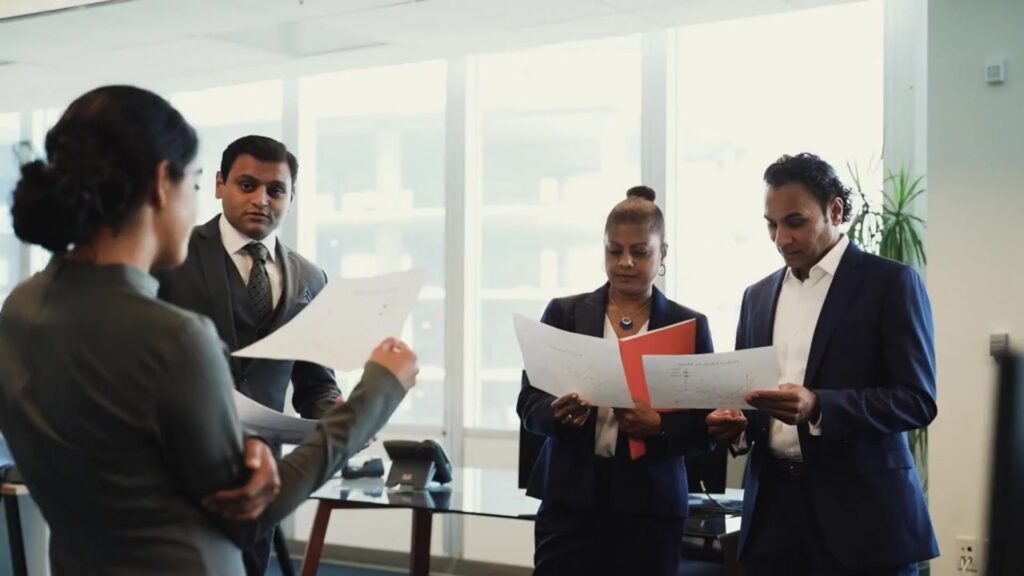
In the corporate realm, the ability to communicate effectively with multiple stakeholders is a crucial skill. Office meeting participation are more than routine discussions — they are powerful platforms to showcase ideas, build visibility, and demonstrate leadership potential. Professionals who participate effectively in meetings are often perceived as confident, prepared, and valuable contributors.
Why Effective Participation in Office Meetings Matters
Active participation in meetings/events signals engagement, ownership, and strategic thinking. Professionals who remain silent often miss opportunities to contribute and grow. It helps professionals:
- Gain visibility among managers and stakeholders
- Influence decisions and outcomes
- Build credibility and leadership presence
- Strengthen communication and collaboration skills
My observation – When I started working, I realized talking effectively with my team is crucial. The workplace will always be buzzing with meetings and discussions, and I knew I needed to master the skill of communicating with many people at once.


How to Participate Effectively in Office Meetings?
Practical office meeting participation tips and strategies enable professionals to speak confidently, share ideas effectively, and add meaningful value—supporting career growth and leadership readiness at work.
1. Prepare Before the Meeting
Preparation is the foundation of confident office or event participation. Review the meeting agenda, understand discussion points, and prepare your thoughts or questions in advance. Being prepared allows you to speak clearly, stay relevant, and contribute meaningfully—qualities expected from future leaders.
2. Understand the Purpose of the Meeting
Every meeting has a goal—decision-making, brainstorming, updates, or problem-solving. Understanding the purpose helps you tailor your office/event participation accordingly. When your contributions align with the meeting’s objective, they carry more weight and relevance.
3. Listen Actively Before You Speak
Active listening ensures you fully understand the context before responding. Pay attention to key points, acknowledge others’ views, and avoid interrupting. Strong listeners are respected communicators and are often trusted with leadership responsibilities.
4. Speak with Clarity and Confidence
Effective meeting participation is not about speaking more—it’s about speaking with purpose. Express ideas clearly, avoid filler words, and maintain a calm, confident tone. Confident verbal communication reflects professionalism and enhances your influence in discussions.
5. Office Meeting Participation = Add Value, Not Noise
Contribute ideas that move the discussion forward. Ask insightful questions, share relevant insights, or offer solutions rather than repeating what has already been said. Value-driven participation helps you stand out as a thoughtful and strategic professional.
6. Use Positive Body Language
Non-verbal communication plays a crucial role in meetings. Maintain eye contact, sit upright, nod when appropriate, and avoid distractions like checking your phone. Positive body language reinforces confidence and engagement, even when you are not speaking.
7. Learn to Disagree Professionally
Disagreements are natural in productive meetings. Express differing opinions respectfully, support them with logic, and remain open to alternate perspectives. Professionals who disagree constructively are viewed as mature, confident, and leadership-ready. [Also Know – Role of Eye Contact in Communication, Sales & Business Negotiations]
8. Ask Smart and Relevant Questions
Asking thoughtful questions shows curiosity, understanding, and involvement. It also clarifies expectations and drives better outcomes. Well-framed questions demonstrate analytical thinking—an essential leadership skill.
9. Follow Up After the Meeting
Effective participation continues after the meeting ends. Summarize key takeaways, follow up on action items, and clarify responsibilities through emails or messages. This habit shows accountability and reinforces your commitment to results.
10. Practice Consistently to Build Confidence
Confidence in meetings grows with practice. Participate regularly, reflect on feedback, and refine your communication approach. Consistent effort transforms meeting participation into a professional strength.



Outcome of Art of Office Participation Tips
As a result of all these efforts, you will notice a positive change in the workplace. Colleagues will be more engaged, and ideas flowed freely in your meetings. Your ability to lead and navigate conversations will became a key factor in creating a vibrant and productive work atmosphere.
In mastering the art of talking to many people at once, you will realize that skill of effective communication is an ongoing journey. By staying flexible and adapting to the changing dynamics of the workplace, you must continue to refine your approach, ensuring that your conversations are uplifting and collaborative for everyone involved.

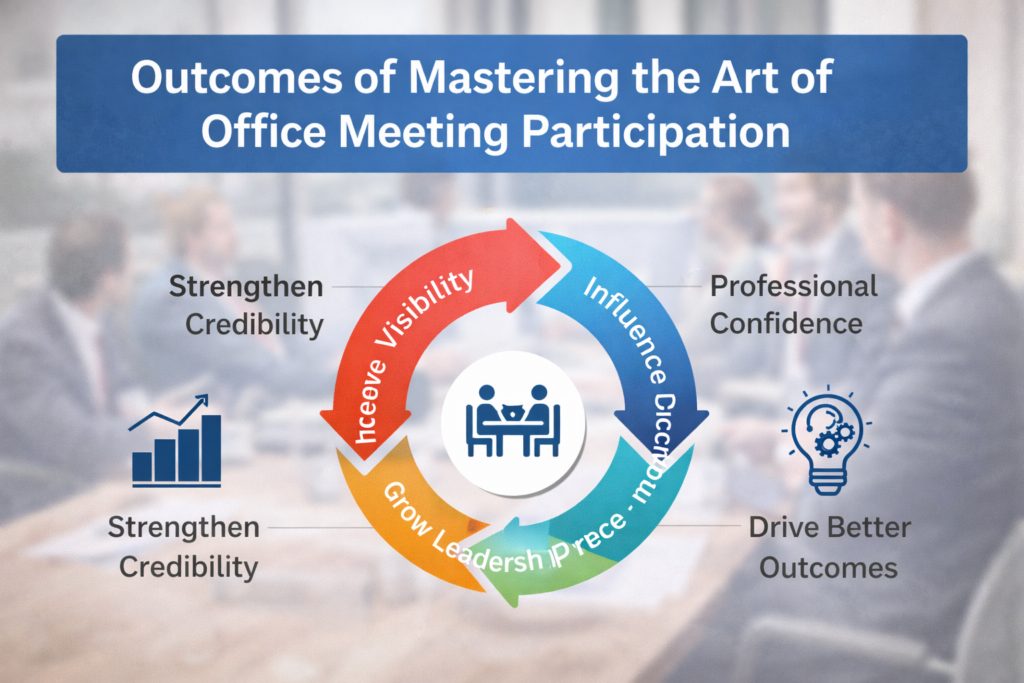
Conclusion: Effective Participation in Office Meetings
Office meetings offer powerful opportunities to demonstrate communication skills, leadership potential, and professional confidence. By preparing well, listening actively, speaking clearly, and adding value, professionals can turn meetings into career growth moments. Effective meeting participation is not a talent—it is a skill that can be learned, practiced, and mastered
Get a personalized demo for your communication skill & presentation challenges.
Click Book Demo